
Weddings are perhaps the most profound expression of culture. They are a “Makana”—a gift of heritage passed down through rituals that symbolize unity, luck, and the merging of two families. While many of us are familiar with the white dress and the exchange of rings, the world is full of vibrant, ancient customs that can transform a standard ceremony into a global celebration of love.
By weaving international traditions into your wedding day, you don’t just host a party; you tell a story that spans borders. Here is how you can draw inspiration from the world’s most beautiful wedding rituals.
Key Takeaways
- Cultural Fusion: Discover how to blend ancestral rites with modern wedding aesthetics.
- Meaningful Symbolism: Learn the “why” behind global traditions like the Lazo or the Komorebi.
- Practical Adaptation: Find simple, elegant ways to honor world cultures without needing to travel across the globe.
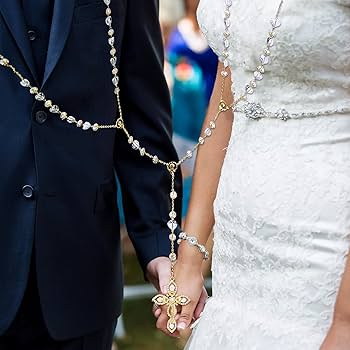
The Mexican Lazo (The Wedding Lasso)
In Mexican and Filipino cultures, a large rosary or a floral “lasso” is placed over the shoulders of the couple in a figure-eight shape after they have exchanged their vows. This symbolizes their everlasting union and their new status as one entity.
How to Adapt It: If you aren’t using a traditional rosary, you can use a beautiful silk ribbon, a garland of greenery, or even a braided cord made of fabrics that hold sentimental value to both families. Have two “padrinos” (sponsors or close friends) place it over you during a special reading or song.
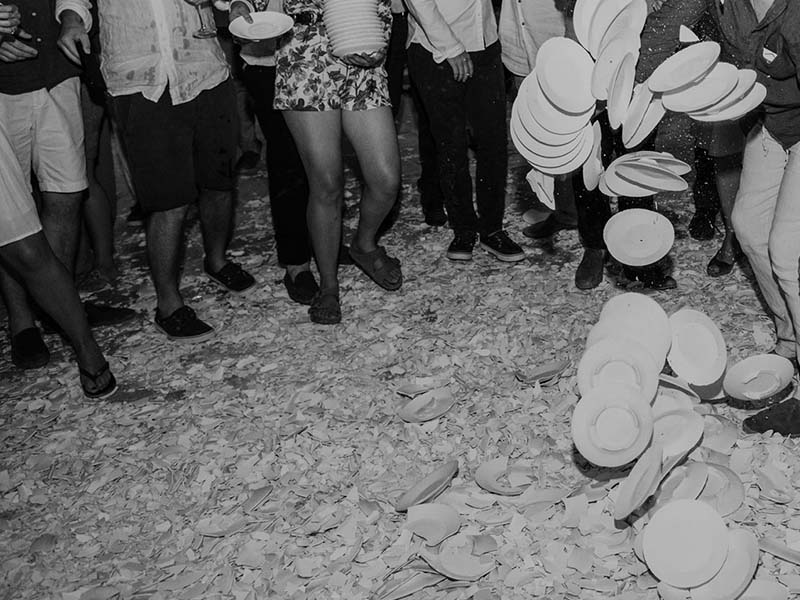
The German Polterabend (Smashing Pottery)
In Germany, guests gather the night before the wedding to smash porcelain plates and flowerpots at the couple’s feet. The noise is said to drive away evil spirits, and the couple must work together to sweep up the shards, symbolizing their ability to handle life’s “messes” as a team.
How to Adapt It: Instead of a messy pre-wedding event, consider a “Unity Smash” during the reception. Provide a small ceramic vessel that you both break (safely contained in a cloth bag) and then take a few moments to ceremonially sweep the pieces into a keepsake box.
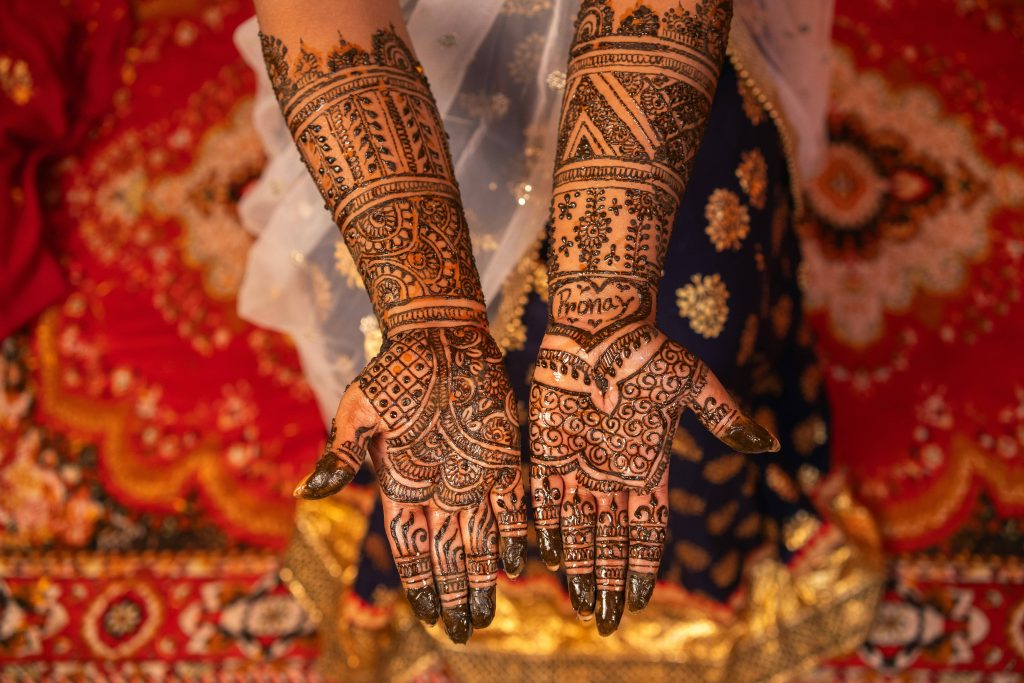
The Indian Mehendi (Henna Art)
A centerpiece of South Asian weddings is the Mehendi ceremony, where the bride’s hands and feet are adorned with intricate henna designs. It is believed that the darker the henna stain, the stronger the bond between the couple (and the better the relationship with the mother-in-law!).
How to Adapt It: Incorporate henna-inspired patterns into your wedding stationery or cake design. Alternatively, host a “Mehendi Lounge” during your rehearsal dinner or cocktail hour where guests can get small, temporary henna tattoos as a unique and interactive favor.
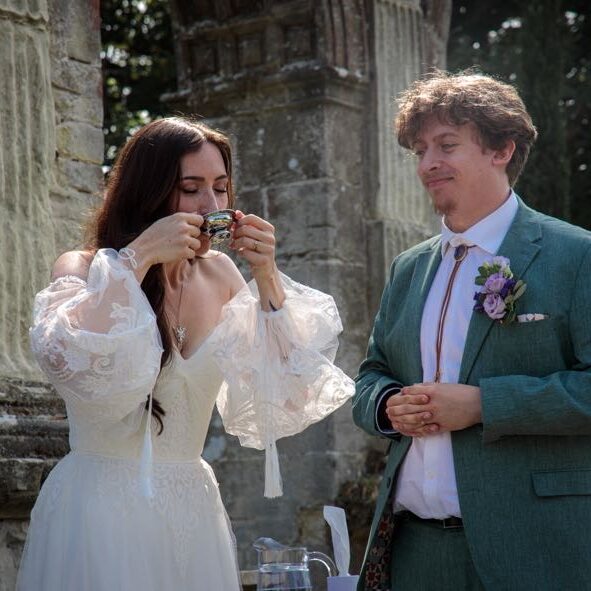
The Scottish Quaich (The Loving Cup)
The Quaich is a two-handled silver bowl filled with whisky, shared between the couple and sometimes their families. It is the ultimate symbol of trust and community, as you must use both hands to hold the cup, leaving no hand free for a weapon—a true sign of peace and kinship.
How to Adapt It: During your toast, use a two-handled cup to share your first drink together. You can fill it with your favorite wine, a signature cocktail, or even a specialized tea blend that represents both of your heritages.
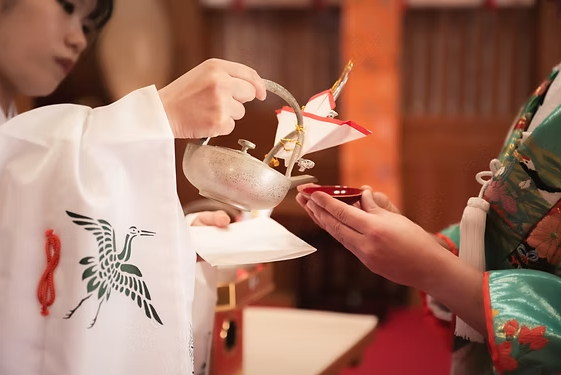
The Japanese San-San-Kudo (Three-Three-Nine Times)
In this elegant Shinto tradition, the couple takes three sips each from three different sizes of sake cups. The total of nine sips is considered extremely lucky, as “nine” is a triple-triple of “three,” representing the heaven, earth, and mankind.
How to Adapt It: If you aren’t fans of sake, you can perform a “Three Sips” ceremony using water, juice, or wine. Use three distinct vessels (perhaps family heirlooms) to represent your past, your present, and your future together.
Bringing the World to Your Aisle
The beauty of a “Makana” wedding is that it doesn’t have to follow a single script. Whether you are honoring your own roots or simply paying tribute to a culture that has moved you, these traditions serve as a reminder that love is a universal language.Ready to start planning your globally-inspired menu? Visit our Recipe Finder to discover international dishes that will complement your cultural celebration!
Leave a Reply